Frequently Asked Questions

Filtration

Is a Pump and Filter essential?
Why isn't the filter on my pump keeping my water clear?
Do I need a filter?
What type of filter do I need for my pond?
When should I think about a filter?
My pond is already constructed and I've got nowhere to put a filter. What can I do?
How does a pond filter work?
How does my filter move the water?
Do I need a special pump?
What is a gravity filter?
What is a pressurised filter?
What is an internal filter?
What is a skimmer filter?
What type of filtration is best?
Can I use my old swimming pool filter?
How often do I have to clean my filter?
Why does my filter smell when I open the lid?
What's so special about Oase filters?
I've seen filters that look like Oase filters, are these OK?
Can I make a filter myself?
How many hours a day does my filter have to run?
Do I leave my filter on if I go away on holiday?
How do I clean my filter?
Is the bacteria in my filter harmful?
The box in the shop says the filter will do a large pond but the filter itself is small, is that right?
Does the amount of fish make a difference to the type of filter I need?
I want Koi in my pond, does this make a difference to the filter I need?
How long will my filter pads last?
what should I consider when buying a filter?
Do I need power for my filter?
What is a UV light?
If I have a UV light do I need a filter?
Do I need an electrician to install my UV light?
Will my UV light kill all the algae in my pond?
I’ve got long stringy algae in my pond, what can I do?
How many hours a day should I run my UV light?
Do I need to change the bulb?
How do I know its working?
Do I need to clean it?
Why should I be wary of cheap UV lights?
My bulb has blown, can I get a replacement under warranty?
I've got a UV but my pond is turning green, why?

Is a Pump and Filter essential?
Before a hole is dug and you have an idea or the size & type of pond you need. It is feasible to ask your local dealer on the cost of items such as pumps, liners, ponds and filters etc. This will help to save on any cost blowouts once the pond is setup. Ponds without fish stock require the water volume to be turned over a minimum of once every 8 hours, low fish stock require a minimum of once every 4 hours and large fish stock such as Koi, a minimum of once every 2 hours. And to get the correct advice and equipment from the start. For successful fish keeping, a pump and biological filter are essential. A good filter system will give you clear water, aids in keeping fish healthy, aerates and oxygenates water, circulates would be stagnant water and most importantly saves you time. Although many people have said they have never had a pump or filter, they are often cleaning out their entire pond and replacing dead fish on a regular basis. As with most projects, you will forever enjoy something that is setup correctly the first time.

« Back to top


Why isn't the filter on my pump keeping my water clear?
The small sponge filters found on the front of some pumps are only designed to stop particles damaging the moving parts (impellor) of the pump. They are not designed, nor capable of cleaning water. If you have one of these filters and have to clean it more than you’d like, you should consider a Clearpond Internal Tray Filter which will dramatically reduce your maintenance.

« Back to top


Do I need a filter?
If you want clean healthy water yes! You may know someone that tells you their pond is crystal clear and they don’t have a filter but what they’re not telling you is that they’re regularly emptying and scrubbing their pond. A good working filter means you save water by not having to empty your pond and lets you have a good healthy environment for your fish. You wouldn’t let your dog or cat live in their own waste so why do it to your fish?!

« Back to top


What type of filter do I need for my pond?
Pond filters are known as biological filters as they purify water through a biological process driven by bacteria. Biological filters convert toxic substances that pollute the water, feed algae and can harm your fish, into non-toxic substances through a natural process known as the nitrogen cycle. There are many types of biological filters but all need to be sized according to the size of your pond and the type and amount of fish you wish to keep. Further assistance and recommendations regarding biological filters can be obtained from our network of retailers found in the ‘where to buy’ section of this website.

« Back to top


When should I think about a filter?
When you’re planning your pond. If you think filtration when you’re planning and constructing your pond you’ll have more choices available to you. We see many cases where customers need a certain type of filter but can’t use it because they’ve already built their pond and there’s nowhere for it to go. Even if you don’t buy your filter right away at least plan for it in your construction so you can install one when required.

« Back to top


My pond is already constructed and I've got nowhere to put a filter. What can I do?
Speak to your local Oase dealer and provide them with a full description of your set up. They will then seek our help if required.

« Back to top


How does a pond filter work?
Biological filtration performs a process known as the nitrogen cycle. In this cycle organic pollutants that enter the pond via fish waste, decomposed plant matter or excess fish food are converted from toxic to non-toxic substances using oxygen and bacteria. If the harmful substances are not broken down by oxygen and bacteria then algae is encourage to grow and fish kills can occur. The process is the same that occurs in aquariums, just on a larger scale.

« Back to top


How does my filter move the water?
It doesn’t, you need a pump to do this. A pump moves water and filter cleans it, you need both to get clean water

« Back to top


Do I need a special pump?
You should use a filtration pump such as the Oase Aquamax. These pumps are called solids handling pumps as they can remove solid waste out of the pond and put it into the filter. Pumps that have sponge filters can be used on filtration systems but are not recommended as they don’t allow the solid waste to enter the filter.

« Back to top


What is a gravity filter?
A gravity filter sits outside of the pond and is fed water by a pump where it enters the filter and flows through the filter media under gravity and returns to the pond. These filters must be positioned slightly higher than water level to enable its return under gravity. Gravity filters are the most efficient and effective because they have a larger amount of filter media and higher oxygen availability for bacteria than other styles. Gravity filters are suitable for all size ponds. Oase Biotec and Clearpond Biosteps are examples of gravity filters.

« Back to top


What is a pressurised filter?
A pressurised filter sits outside of the pond and is fed water by a pump where it enters the filter and flows through the filter media under pressure so can therefore be positioned above or below the pond. Pressure filters must never be run with swimming pool or irrigation ‘sump pumps’ as these pump pressures are too high and will cause the filters to burst. Pressurised filters are suitable for ponds with fish up to around 7000 litres or 15000 without. Oase Filtoclear and Clearpond Clarity are examples of pressure filters.

« Back to top


What is an internal filter?
An internal filter sits inside the pond underwater. They are usually attached to the suction side of the pump and are not as efficient as other styles of filtration as they are relatively small and have low oxygen availability for bacteria. Internal filters are used in small ponds up to around 1000 litres. Clearpond foam filters and the Clearpond Internal Tray Filter are examples of internal filters.

« Back to top


What is a skimmer filter?
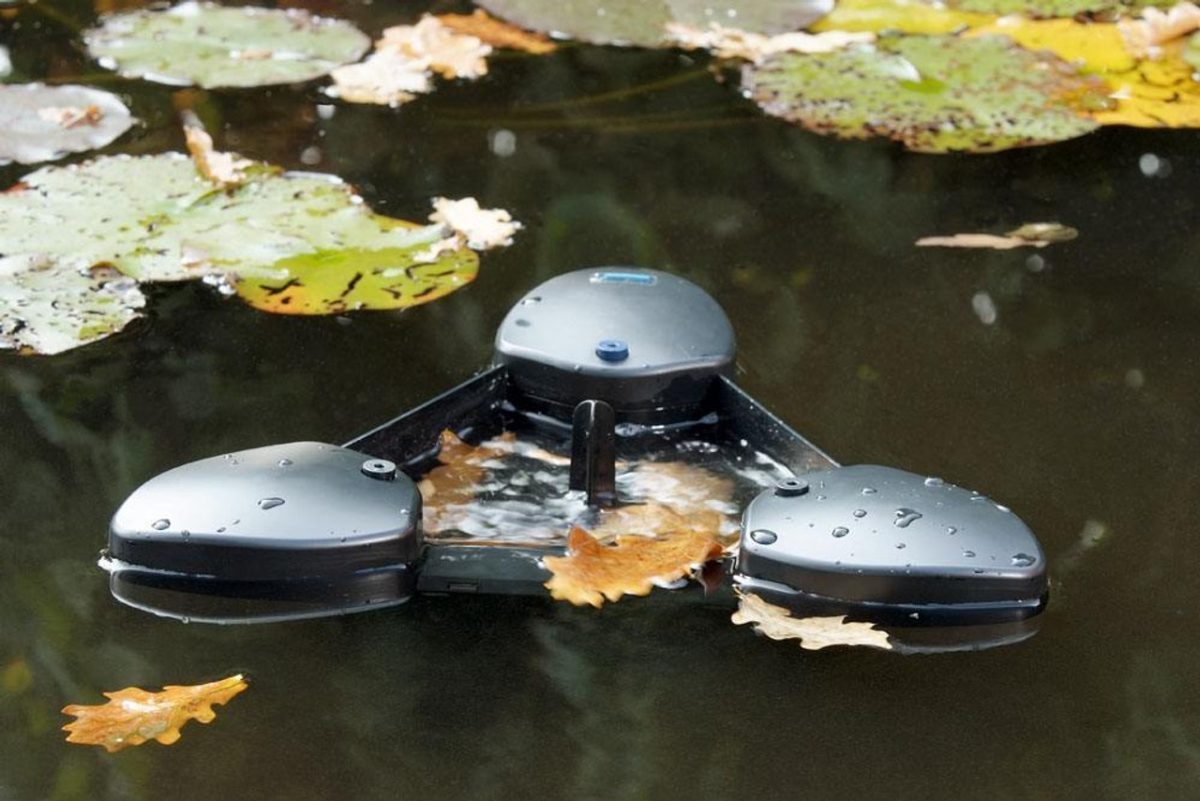
A skimmer is designed to catch leaves before they fall to the pond floor where they break down and form an organic sludge that feeds algae. Skimmers can be attached to the suction side of a solids handling pump such as the Oase Aquamax or be built in to the side wall of the pond during construction. The Oase Filtoskim is a revolutionary product that contains pump, skimmer, biological filter and UV light in one easy to install box.

« Back to top


What type of filtration is best?
It depends on your individual situation and the size of the pond. Each filter has its own advantages so make sure you give your retailer all your relevant information such as size of the pond, type and amount of fish, amount of sun exposure, amount of plants etc. The more information you provide, the easier it will be to get the right recommendation.

« Back to top


Can I use my old swimming pool filter?
No. Swimming pool filters are not suitable for ponds. Pool filters are mechanical filters that are designed to catch small particles in the water. They do not perform biological filtration and are therefore not suitable in ponds. A pond filter will mechanically remove particles in the same way but also remove toxic waste through biological filtration.

« Back to top


How often do I have to clean my filter?
Every pond is different so there is no easy answer to this question. As a general rule you should clean your pump and check your filter when you notice a reduction in water flow on the outlet side of the filter. High quality filtration systems such as the Oase Biotec, Filtoclear or Clearpond Clarity will have inbuilt mechanisms that will tell you when it’s time to clean them.

« Back to top


Why does my filter smell when I open the lid?
It smells because the bacteria is doing its job. A good working filter will produce nitrogen gas as one of its by-products which means it’s working well.

« Back to top


What's so special about Oase filters?
Oase filters have been scientifically designed and tested in partnership with German universities. They are backed up with a Clearwater money back guarantee when used in accordance with Oase’s recommendations.

« Back to top


I've seen filters that look like Oase filters, are these OK?
Oase filters are so good that low quality manufacturers are trying to imitate them. Whilst these filters may look similar they are not made with the same high quality materials nor have the scientific designs. Filters are used for a purpose and just because a filter looks the same doesn’t mean it will do the same job of keeping your pond clean. While a cheaper imitation may be tempting to buy stop and think about the cost of replacing it when it doesn’t work. Always buy the best filter you can afford, your whole pond depends on it.

« Back to top


Can I make a filter myself?
It is possible to make your own biological filter and we have high quality filter media such as Biomatt for this very purpose. When making your own filter consider the overall cost and extra time it will take to clean. If your time is valuable you’ll be better off buying a filter that’s had all the design work and low maintenance features built in.

« Back to top


How many hours a day does my filter have to run?
A biological filter must run 24/7 to sustain the bacteria and oxygenate the water. This is why pond pumps with low power consumption such as the Oase Aquamax are recommended for filtration systems.

« Back to top


Do I leave my filter on if I go away on holiday?
Yes but check to see if it needs a clean before you go.
Although if going away for an extended period please ask a friend, relative or pond maintainece specialist to check on the whole pond as well as the filter.

« Back to top


How do I clean my filter?
High quality Oase filters let you clean the filter without getting your hands wet but from time to time you’ll need to give them a more thorough clean. You’ll need to turn off your pump then open your filter and take out the media. The filter media should be cleaned with pond water or rain water only as the chlorine in tap water will kill much of the beneficial bacteria. Never use cleaning agents or bleach because this will kill your bacteria and then your fish when you turn your system back on. Ask your retailer how to clean your filter before you purchase it

« Back to top


Is the bacteria in my filter harmful?
Not at all, it is a natural bacteria that occurs in all natural water systems.

« Back to top


The box in the shop says the filter will do a large pond but the filter itself is small, is that right?
Most filtration systems that are available in Australia & New Zealand are manufactured in Europe and the recommendations on the packaging are for European conditions. We have different environmental conditions and therefore most ratings found on filtration packaging will not hold true in our climate. You should always beware of claims made on filtration packaging and ask your retailer if unsure. The good news is that all Oase filters are tested in Singapore and our Clearpond filters are tested in Australia so our ratings hold true.

« Back to top


Does the amount of fish make a difference to the type of filter I need?
Yes, the amount of fish in your pond will make a big difference to the size and type of filter you require. The more fish you keep the larger the filter you require. Always let your retailer know how many fish you have in your pond when selecting a filter.

« Back to top


I want Koi in my pond, does this make a difference to the filter I need?
Yes, Koi are a beautiful fish that can grow to a large size but also produce a lot more waste than other fish species. Koi ponds require high amounts of oxygen and larger filtration systems so please tell your retailer if you have Koi in your pond.

« Back to top


How long will my filter pads last?
Every pond is different and this will depend on your individual circumstance, although generally, you should get at least two years out of your filter sponges and replacements are available.

« Back to top


what should I consider when buying a filter?
Where you can locate it; how often do you want to clean it; how easy it is to clean; the amount and type of fish you have; the size of your pond; will it do what it claims on the box

« Back to top


Do I need power for my filter?
Only if you’re using a filter with a UV light.

« Back to top


What is a UV light?
An Ultra Violet light (UV) is a light that emits ultra violet rays. They are used in ponds to control algae that turn water green. The algae that turns water green is microscopic and as it passes over the UV light it is killed and trapped in the filter

« Back to top


If I have a UV light do I need a filter?
Yes, a UV light does not perform any biological filtration and will not stop the build up of toxic substances in the way a biological filter will. The filter will also catch the dead algae that would otherwise turn into sludge at the bottom of the pond.

« Back to top


Do I need an electrician to install my UV light?
No, they plug into a normal weatherproof power point.

« Back to top


Will my UV light kill all the algae in my pond?
A UV light will kill all of the free floating algae in your pond that turns the water green but will not control algae on rocks or the sides of ponds as these are more highly evolved plant life and cannot be passed over the UV because they are not free floating.

« Back to top


I’ve got long stringy algae in my pond, what can I do?
You must expect a small amount of algae in a pond because it’s a natural system but if you experience problems caused by excessive string algae or blanket weed then you should consider reducing the amount of feed and ensuring you have a good biological filter that operates 24hrs a day to help remove excess nutrients from the pond. String algae prefers water with high pH so testing your water and reducing your pH with Clearpond pH down or Oase pH minus will also help. Oase Aquahumin will also help with String Algae by naturally reducing the pH of the water and changing the water to conditions unfavourable for string algae. String algae can also be controlled electronically by the Clearpond Algaeguard.

« Back to top


How many hours a day should I run my UV light?
24/7. It should not be turned off as it will give the algae a chance to multiply.

« Back to top


Do I need to change the bulb?
Yes, most UV bulbs have an operating life of around 12 months so you should change them each year. The bulbs will still be shining after this time but they will have no UV effectively and will therefore not be controlling algae.

« Back to top


How do I know its working?
Depending on the model, there will be an indicator window or clear hose tail through which you can see the light. Ask your retailer how to check it when you purchase.

« Back to top


Do I need to clean it?
Yes, if the light is reduced by a build up of dirt or calcification then the UV rays won’t be able to penetrate the algae so ask your retailer how to clean it when you purchase. High quality lights such as the Oase Bitron range are self cleaning.

« Back to top


Why should I be wary of cheap UV lights?
Cheap UV lights can have inferior bulbs with life cycles of 6 months or less. Some have even been made using non-UV stable plastics!

« Back to top


My bulb has blown, can I get a replacement under warranty?
No, light bulbs are not covered under warranty due to factors outside of the manufacturers control such as power surges and lightening strikes.

« Back to top


I've got a UV but my pond is turning green, why?
Your bulb could have blown, it could be dirty or it could need replacing. Check to see that it’s clean and working, make sure it’s not more than 12 months old and keep it on 24/7. If you’re still having problems see your retailer for further advice.

« Back to top